Cart
0
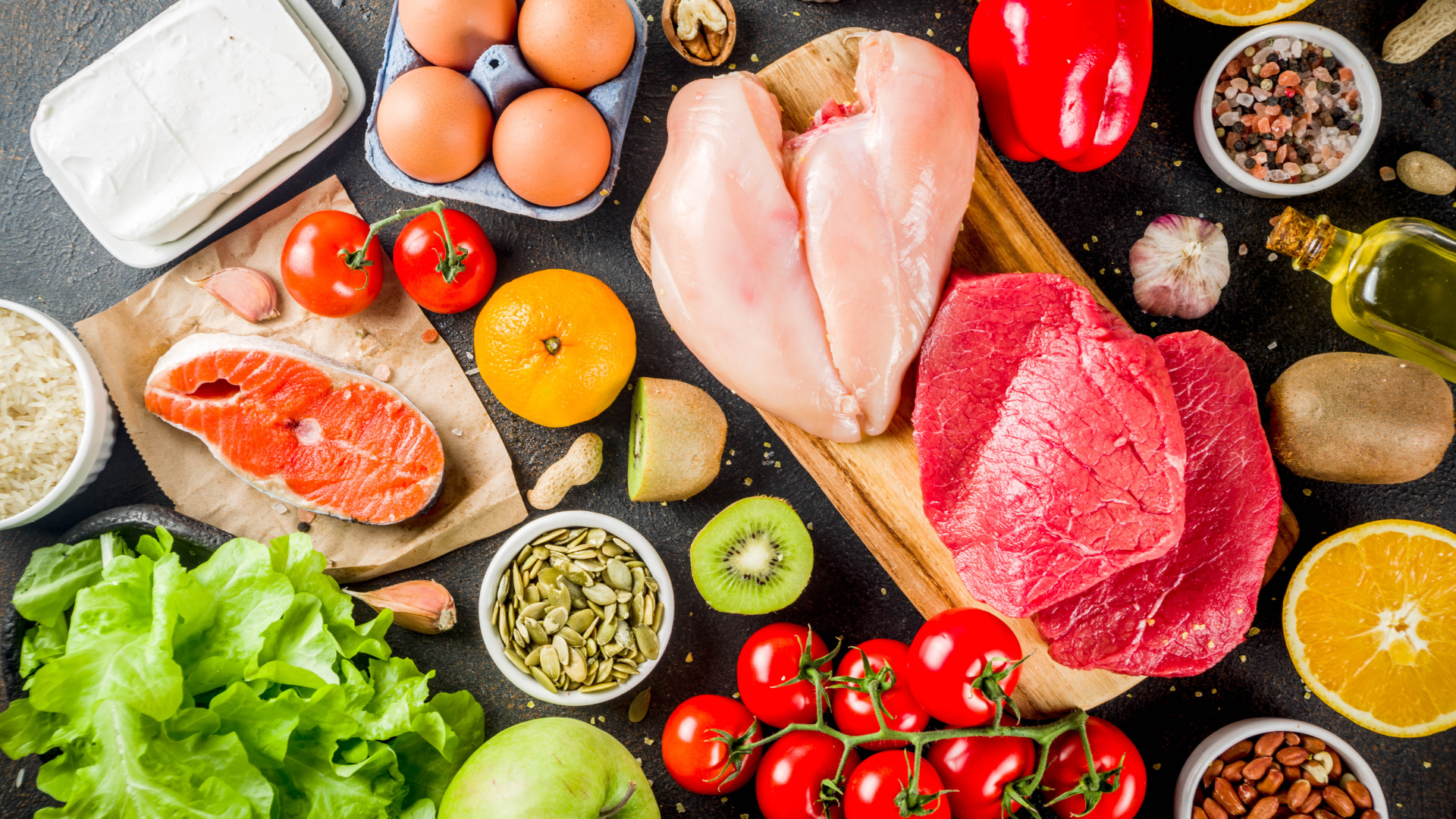
What's on your plate has a real, measurable effect on joint inflammation — some foods calm it down, others quietly wind it up.
The joint-friendly plate
| Food group | Why it helps | Easy examples |
|---|---|---|
| Oily fish | Omega-3s reduce swelling and protect cartilage | Salmon, mackerel, sardines |
| Colourful veg & fruit | Antioxidants calm inflammation | Berries, peppers, leafy greens |
| Nuts & seeds | Protein, magnesium, healthy fats | Walnuts, almonds, chia, flax |
| Whole grains | Steadier energy, less inflammatory than refined carbs | Oats, quinoa, brown rice |
| Spices | Natural anti-inflammatories | Turmeric, ginger, garlic |
A good rough plate split is 50% fruit and veg, 25% whole grains, and 25% lean or plant protein.
The role of magnesium and vitamin D
Beyond the obvious anti-inflammatory foods, magnesium and vitamin D levels have been linked to joint range of motion and function — low levels of either are associated with stiffer, less mobile joints, which is one reason oily fish, nuts, seeds and safe sun exposure matter as much as cutting out "bad" foods. In the UK, where sunlight is limited much of the year, this is one of the more overlooked pieces of joint nutrition advice.
What tends to make things worse
- Processed sugar and fried food can trigger inflammatory pathways
- Too much red or processed meat
- Refined carbs like white bread and pastries
- Heavy alcohol use
- Carrying excess weight, which puts direct physical strain on joints regardless of diet quality
A realistic way to start
You don't need to overhaul everything overnight — swapping in one or two joint-friendly foods a day, like adding turmeric to a curry, oily fish twice a week, or walnuts to porridge, adds up over months rather than days. Weight management through diet also matters more for joint pressure than any single "superfood," since every extra pound adds compounding load to weight-bearing joints over years of daily use.
References
1. Arthritis Foundation – 12 Best Foods for Arthritis
2. Windham Hospital – Anti-Inflammatory Foods That Can Ease Joint Pain
3. Greater Orlando Orthopedic Group – Top Anti-Inflammatory Foods for Joint Health
4. NHS Inform Scotland – Arthritis
5. Mayo Clinic – Arthritis Symptoms and Causes
6. Revista Nutrición – Serum Magnesium and Vitamin D Levels vs Range of Motion